FACIAL AESTHETIC COSMETIC APPOINTMENTS NOW AVAILABLE!
Understanding Oral Cancer Screening: What You Need to Know
April 12, 2024
/
Oral cancer is a serious health concern that affects millions of people worldwide. Early detection is key to successful treatment, making oral cancer screenings crucial. In this article, we’ll delve into the essentials of oral cancer screening to help you understand its importance and what to expect during the process.
What is Oral Cancer?
Oral cancer refers to cancer that develops in any part of the mouth, including the lips, tongue, gums, floor of the mouth, and the roof of the mouth. It can also occur in the throat, tonsils, and salivary glands. While tobacco and alcohol use are significant risk factors, other factors such as HPV (Human Papillomavirus) infection and sun exposure can also contribute to its development.
Importance of Oral Cancer Screening:
Early detection of oral cancer greatly improves the chances of successful treatment and survival. Unfortunately, many cases of oral cancer are diagnosed at later stages, when treatment options may be limited and prognosis is poorer. Regular oral cancer screenings can help detect abnormalities in the mouth, allowing for timely intervention and potentially life-saving treatment.
Who Should Get Screened?
While anyone can develop oral cancer, certain individuals may be at a higher risk. Factors that increase the risk of oral cancer include:
- Tobacco use (cigarettes, cigars, pipes)
- Heavy alcohol consumption
- History of oral cancer
- HPV infection
- Prolonged sun exposure
- Poor oral hygiene
- Diet lacking in fruits and vegetables
It’s essential for individuals with one or more of these risk factors to undergo regular oral cancer screenings. Additionally, everyone should consider incorporating oral cancer screening into their routine dental check-ups, as dentists and dental hygienists are often the first line of defense against oral cancer.
What to Expect During an Oral Cancer Screening:
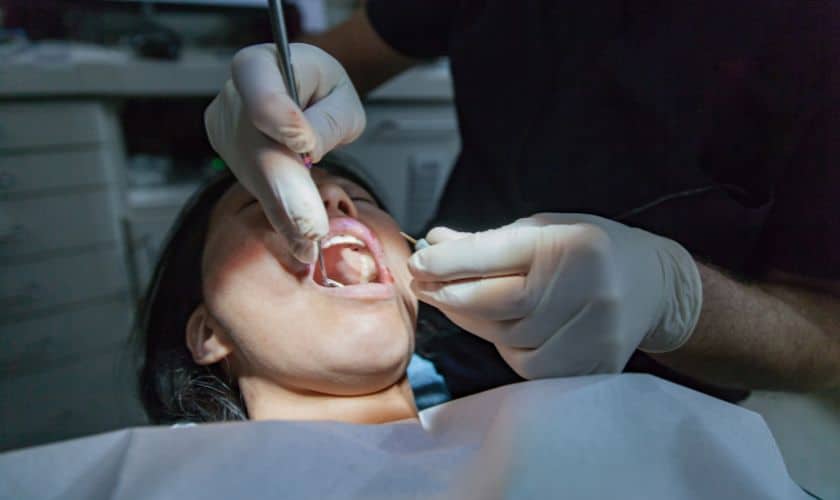
Oral cancer screening is a quick and painless process that can be performed during a routine dental examination. Your dentist or dental hygienist will visually inspect your mouth for any signs of abnormalities, such as:
- Red or white patches
- Sores that do not heal
- Lumps or thickening of the tissues
- Persistent pain or numbness
- Difficulty swallowing or speaking
In some cases, additional diagnostic tests may be recommended, such as:
- Oral brush biopsy
- Tissue biopsy
- Fluorescence visualization using special lights
If any suspicious lesions or abnormalities are detected, further evaluation and possibly a biopsy may be necessary to confirm a diagnosis.
Conclusion:
Oral cancer screening is a vital component of maintaining good oral health and overall well-being. By understanding the importance of oral cancer screening and knowing what to expect during the process, you can take proactive steps to protect yourself against this potentially deadly disease. Remember to discuss your risk factors and screening options with your dentist or healthcare provider to ensure that you receive appropriate care tailored to your needs.