FACIAL AESTHETIC COSMETIC APPOINTMENTS NOW AVAILABLE!

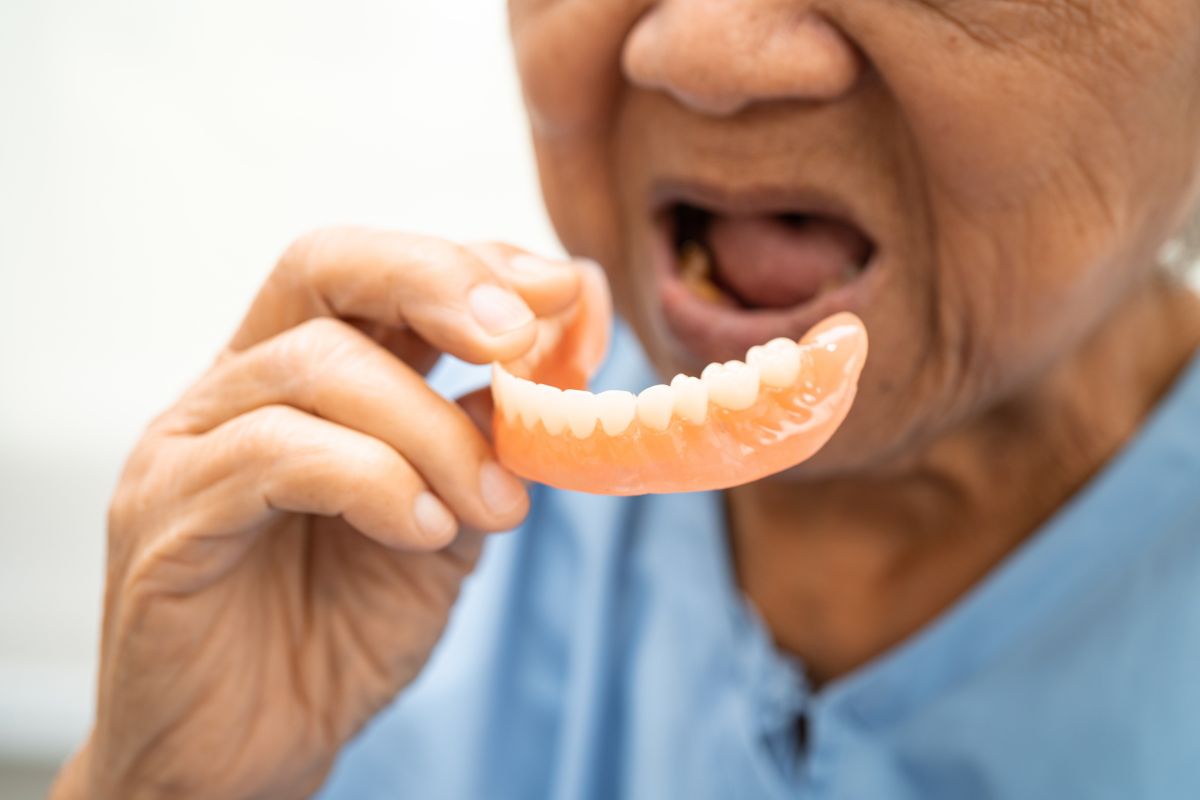
How to Get Better Fitting Dentures: Tips for Comfort and Stability
January 19, 2026
/
Dentures are meant to restore function, comfort, and confidence, but when they don’t fit properly, everyday activities like eating and speaking can become frustrating. If your dentures feel loose, rub against your gums, or cause sore spots, you’re not alone. Many people experience fit issues over time, often without realizing there are effective ways to address them.
Understanding why dentures lose their fit and what steps can improve comfort and stability can help you enjoy daily life again without constant discomfort.
Why Dentures Stop Fitting Well Over Time
Even well-made dentures don’t stay perfectly fitted forever. Changes in your mouth are natural and ongoing.
Bone and Gum Changes
After tooth loss, the jawbone gradually shrinks because it’s no longer stimulated by natural teeth. As the bone changes shape, dentures may no longer sit securely.
Normal Wear and Tear
Daily use can slightly alter how dentures fit. Small changes add up, especially if dentures are several years old.
Weight Fluctuations or Health Changes
Significant weight changes or certain medical conditions can affect the way dentures fit against the gums.
Recognizing these causes early can prevent discomfort from becoming a long-term problem.
Common Signs Your Dentures Don’t Fit Properly
Poorly fitting dentures often give clear signals, including:
- Slipping or shifting while talking or eating
- Gum irritation or sore spots
- Difficulty chewing certain foods
- Clicking sounds when speaking
- Frequent need for adhesive
If these issues persist, it’s a sign that your dentures may need professional attention rather than temporary fixes.
Tips for Getting Better Fitting Dentures
1. Schedule Regular Denture Checkups
Routine evaluations allow dental professionals to assess changes in your gums and jaw. Adjustments can often be made before discomfort becomes severe. Patients who visit a trusted dentist regularly are more likely to maintain a comfortable fit over time.
2. Consider Denture Relining or Rebasing
Relining reshapes the underside of dentures to match current gum contours, while rebasing replaces the base entirely but keeps the existing teeth. Both options can significantly improve stability without requiring a full replacement.
3. Practice Proper Denture Care
Daily cleaning helps dentures maintain their shape and prevents buildup that can affect fit. Always:
- Clean dentures with non-abrasive products
- Remove them at night to let gums rest
- Store them in water to prevent warping
Neglecting care can shorten the lifespan of dentures and worsen fit issues.
4. Be Cautious With Denture Adhesives
Adhesives can help temporarily, but relying on them daily may mask underlying fit problems. Overuse can also irritate gums. Adhesives should support, not replace, proper denture fit.
5. Eat Mindfully
Chewing evenly on both sides of your mouth helps prevent dentures from tipping. Cutting food into smaller pieces and avoiding overly sticky or hard foods can also reduce movement.
6. Explore Implant-Supported Options
For some patients, dental implants can dramatically improve denture stability. Implant-supported dentures anchor securely to the jaw, reducing movement and increasing confidence. A qualified dentist can explain whether this option suits your oral health and lifestyle.
Why Professional Guidance Matters
Trying to adjust dentures at home can lead to damage or injury. Even small modifications should be handled by a trained professional who understands how dentures interact with your bite and jaw structure.
Working with an experienced dentist in Fort Walton Beach ensures your dentures are evaluated with precision and care, helping avoid long-term complications.
At Bright Smiles Family and Cosmetic Dentistry, patient comfort and education are central to helping individuals maintain functional, well-fitting dentures over time.
How Often Should Dentures Be Replaced?
Most dentures last between five and ten years, depending on care and changes in oral anatomy. Regular evaluations help determine whether adjustments are enough or if replacement is the better option.
Ignoring fit issues can lead to gum inflammation, infections, and difficulty maintaining proper nutrition—making timely care especially important.
Conclusion
Dentures should enhance your quality of life, not limit it. While changes in fit are common, they’re also manageable with the right approach. Regular checkups, proper care, and professional adjustments can restore comfort and stability, helping you speak, eat, and smile with confidence again. Paying attention to early signs and seeking timely guidance makes all the difference.
If your dentures feel uncomfortable or no longer fit the way they should, consider scheduling an evaluation with Bright Smiles Family and Cosmetic Dentistry in Fort Walton Beach, FL. Their team can help identify the cause of fit issues and guide you toward solutions designed for long-term comfort and stability.