FACIAL AESTHETIC COSMETIC APPOINTMENTS NOW AVAILABLE!

Don’t Ignore the Pain: When to Consider a Root Canal
July 31, 2025
/
Toothaches are no fun. But sometimes, a persistent or throbbing pain in your tooth can signal a more serious issue – an infected tooth pulp. The tooth pulp is the inner layer of your tooth containing nerves and blood vessels. When bacteria invade the pulp due to decay, cracks, or deep fillings, an infection ensues, causing significant pain and inflammation.
If you’re experiencing tooth pain, it’s crucial to seek dental attention promptly. However, you might wonder if a root canal is truly necessary. Here’s a guide to help you understand when a root canal becomes the best course of action.
Signs You Might Need a Root Canal:
- Persistent Toothache: A constant or recurring throbbing pain in your tooth, especially when pressure is applied (chewing, biting), is a telltale sign of an infected pulp.
- Sharp Pain: Experiencing sharp, shooting pain in your tooth, particularly when exposed to hot or cold temperatures, indicates nerve damage.
- Swelling and Tenderness: Inflammation around the infected tooth can cause swelling in your gums or face, often accompanied by tenderness to the touch.
- Pus Drainage: In some cases, an abscess (pus-filled pocket) can form near the infected tooth, potentially causing drainage with a foul odor.
- Loose Tooth: A severely infected tooth might become loose or sensitive to movement.
Why Consider a Root Canal?
Ignoring a root canal can lead to serious complications, including:
- Spreading Infection: The infection can spread to the jawbone, causing significant pain and bone loss.
- Tooth Loss: Left untreated, a severely infected tooth may require extraction.
- Damage to Surrounding Teeth: Untreated infection can spread to neighboring teeth.
Root Canal: Saving Your Tooth
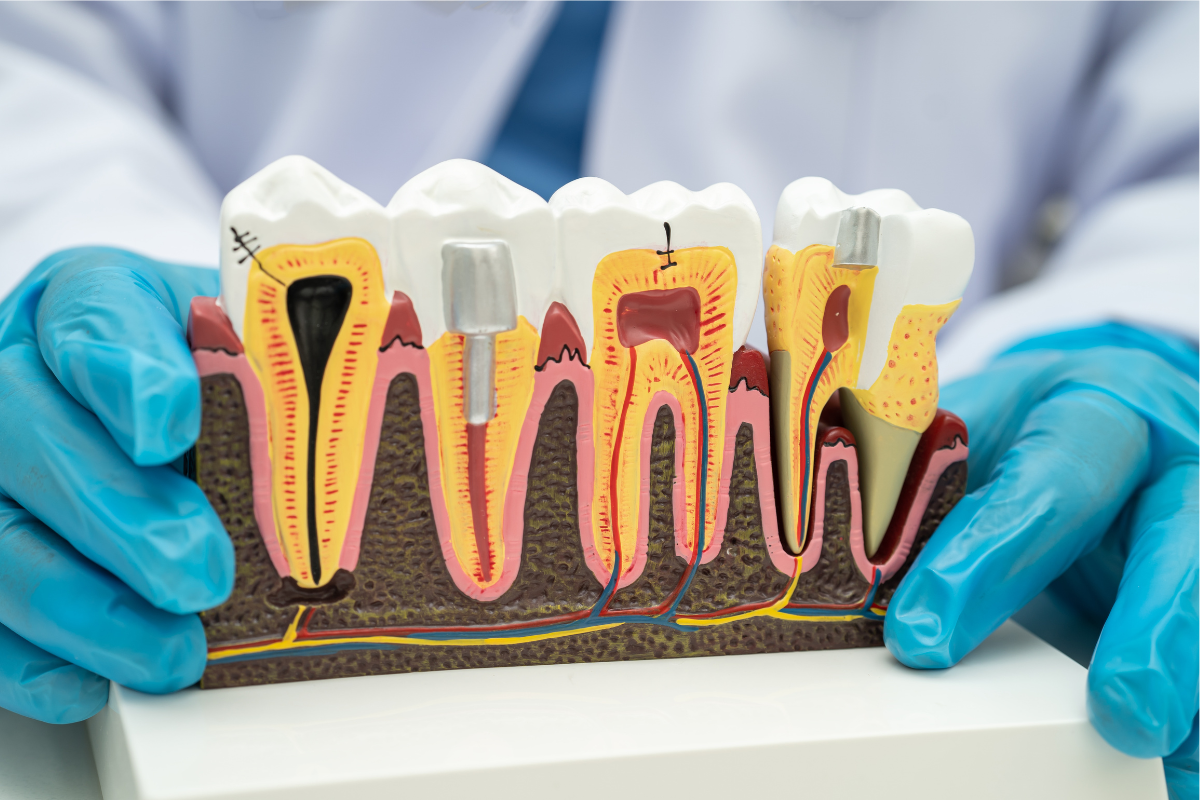
A root canal is a procedure that removes the infected pulp, cleans the inside of the tooth, and seals it with a filling or crown. This eliminates the source of pain and infection, allowing the tooth to remain functional.
Modern root canal procedures are relatively painless thanks to advancements in anesthesia. They often take just one or two appointments and can save your natural tooth.
Early Diagnosis and Treatment are Key
If you experience any of the signs mentioned above, schedule an appointment with your dentist as soon as possible. Early diagnosis and treatment can often prevent the need for a root canal. However, if the infection is advanced, a root canal becomes the best course of action to preserve your tooth and prevent further complications.
Remember, a healthy smile is a happy smile! Don’t ignore tooth pain, and prioritize your oral health. Schedule regular dental checkups and address any concerns promptly!