FACIAL AESTHETIC COSMETIC APPOINTMENTS NOW AVAILABLE!
Avoiding Dental Emergencies: Fort Walton Beach Tips for Healthy Teeth
September 7, 2023
/
Dental emergencies can happen at any time, causing discomfort and disrupting our daily lives. But fear not! With a little knowledge and some simple habits, you can keep your teeth healthy and steer clear of those unexpected visits to the dentist’s chair. So let’s get started on our journey towards maintaining a bright and pain-free smile!
What is a dental emergency?
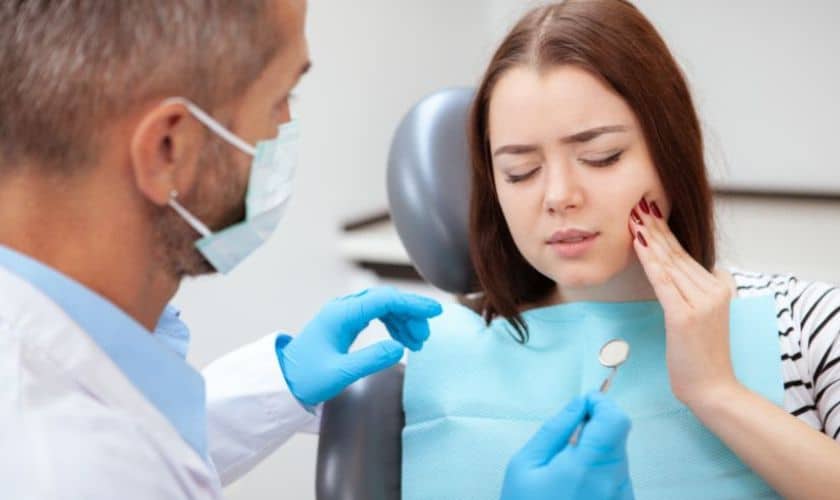
What exactly constitutes a dental emergency, you may ask? Well, it’s any unexpected oral issue that requires immediate attention to alleviate pain or prevent further damage. These emergencies can range from excruciating toothaches and knocked-out teeth to broken fillings or crowns. Essentially, if you’re experiencing severe discomfort, bleeding, swelling, or any sudden change in your oral health that cannot wait until your next scheduled dental visit – it’s time to take action.
Toothaches are often the most common culprits of dental emergencies. Whether it’s a persistent throbbing pain or a sharp sensation when biting down, these symptoms should never be ignored. Similarly, if you accidentally knock out a tooth due to an unfortunate mishap (think sports injuries or falls), acting quickly is crucial for potential reattachment.
Broken fillings and crowns may not cause immediate pain but still require prompt attention. These restorations protect underlying teeth structures and help maintain proper functionality. If left untreated, they can lead to more significant issues like infections or even nerve damage.
Remember: identifying whether something qualifies as a dental emergency isn’t always easy without professional guidance. When in doubt, contact your dentist immediately for advice on how to proceed and schedule an appointment as soon as possible.
How to avoid dental emergencies?
Dental emergencies can be both painful and costly. Luckily, there are steps you can take to minimize your risk of experiencing one. Prevention is key when it comes to maintaining a healthy smile.
Practicing good oral hygiene is essential for avoiding dental emergencies. This means brushing your teeth at least twice a day using the correct technique. Use a soft-bristled toothbrush and fluoride toothpaste to gently remove plaque and food particles from all surfaces of your teeth.
Additionally, don’t forget to floss! Regular flossing helps remove plaque and debris from between your teeth that brushing alone cannot reach. Make sure to use proper flossing technique, gently gliding the floss up and down each side of every tooth.
A balanced diet also plays a role in preventing dental emergencies. Limit sugary snacks and beverages which can contribute to tooth decay. Instead, opt for foods that promote good oral health such as fruits, vegetables, dairy products, lean proteins, and whole grains.
Another important factor in avoiding dental emergencies is wearing protective gear during physical activities or sports where facial injuries could occur. A mouthguard can help protect your teeth from fractures or being knocked out during impact.
Regular visits to the dentist are crucial for maintaining oral health and catching any potential problems early on before they become dental emergencies. Schedule routine check-ups every six months so that any issues can be addressed promptly.
By following these tips for avoiding dental emergencies like Fort Walton Beach locals do have healthier smiles overall! Keep up with good oral hygiene practices along with visiting your dentist regularly – it’s worth it!
The best way to brush your teeth
When it comes to keeping your teeth healthy, one of the most important habits to cultivate is proper brushing. But do you know the best way to brush your teeth? Let’s explore some tips and techniques that can help make your brushing routine more effective.
First, choose a soft-bristled toothbrush that fits comfortably in your hand and has a small head. This will allow you to reach all areas of your mouth easily. Next, apply a pea-sized amount of fluoride toothpaste onto the bristles.
Hold the toothbrush at a 45-degree angle against your gum line. Gently move the brush back-and-forth in short strokes, covering all surfaces of each tooth. Don’t forget to brush along the inner cheek side as well.
Remember to pay extra attention to those hard-to-reach areas such as the back molars and behind the front teeth. To clean these spots effectively, hold the brush vertically and use an up-and-down motion.
Don’t rush through it! Spend at least two minutes thoroughly brushing your teeth twice a day – once in the morning and again before bed. And don’t neglect your tongue! Give it a gentle scrub with your toothbrush or use a tongue scraper for fresher breath.
Rinse away any lingering debris with water after brushing and store your toothbrush upright in an open-air container so it can dry properly between uses.
By following these steps and maintaining consistent oral hygiene practices, you’re taking important strides towards preventing dental emergencies!
Stay tuned for our next blog section on how often you should floss for optimal oral health…
How often do you floss?
How often to floss is a question that many people wonder about. The truth is, there isn’t a one-size-fits-all answer. Some dental professionals recommend flossing once a day, while others suggest doing it twice daily. The frequency of your flossing routine depends on your individual oral health needs and preferences.
Flossing plays an essential role in maintaining good oral hygiene. It helps to remove plaque and food particles from between your teeth and along the gumline, where toothbrush bristles can’t reach. By incorporating regular flossing into your dental care routine, you can reduce the risk of cavities, gum disease, and other dental issues.
If you’re new to flossing or find it challenging to incorporate into your daily routine, start by aiming for at least once a day. As you become more comfortable with the habit, consider increasing it to twice daily for optimal results.
Remember that consistency is key when it comes to proper oral care habits like flossing. Whether you choose once or twice daily as your target frequency, make sure to stick with it in order to maintain healthy teeth and gums.
What type of toothpaste to use?
Choosing the right toothpaste can make a big difference in your oral health. With so many options available, it’s important to understand what type of toothpaste is best for you.
Consider your specific dental needs. If you have sensitive teeth or gums, look for a toothpaste that is specifically formulated for sensitivity. These types of toothpastes contain ingredients like potassium nitrate or stannous fluoride which help to reduce sensitivity and protect against cavities.
If you’re prone to developing plaque and tartar buildup, opt for a toothpaste with anti-plaque properties. Look for active ingredients such as triclosan or pyrophosphates which can help prevent the formation of plaque on your teeth.
For those who want fresher breath throughout the day, consider using a toothpaste that contains baking soda or menthol. These ingredients are known to neutralize odors and leave your mouth feeling fresh and clean.
If you’re looking to whiten your teeth, there are various whitening toothpastes available on the market. However, it’s important to note that these products may only remove surface stains and not provide dramatic whitening results.
Remember that choosing the right toothpaste alone isn’t enough; maintaining good oral hygiene practices such as brushing twice daily for two minutes each time will also contribute to healthier teeth and gums.
When to see the dentist?
Regular dental check-ups are an essential part of maintaining good oral health. But how do you know when it’s time to schedule that appointment? Here are a few signs that indicate it may be time to see your dentist.
If you experience persistent tooth pain or sensitivity, it could be a sign of a deeper issue such as decay or infection. Ignoring these symptoms can lead to further complications down the road.
Additionally, if you notice any changes in your gums, including swelling, bleeding, or receding gums, it is important to consult with your dentist. These could be indicators of gum disease and should not be ignored.
Furthermore, any unusual lumps or sores in your mouth should be examined by a professional. While they may turn out to be harmless, they could also signify more serious conditions such as oral cancer.
It is also crucial to keep an eye out for any changes in the appearance of your teeth. Cracks or chips can weaken the structure of your teeth and increase the risk of further damage.
Don’t forget about preventive care! Regular dental cleanings help remove plaque and tartar buildup that brushing and flossing alone cannot eliminate.
Remember, regular visits to the dentist play a vital role in preventing dental emergencies and maintaining optimal oral health. Don’t wait until something goes wrong – make sure to prioritize those routine check-ups!
The Bottom Line
Taking care of your teeth is essential for maintaining good oral health and avoiding dental emergencies. By following the tips outlined in this article, you can significantly reduce the risk of experiencing any dental issues.
Remember to brush your teeth at least twice a day using proper technique and a fluoridated toothpaste. Make sure to replace your toothbrush every three to four months or sooner if the bristles become frayed. Additionally, don’t forget to floss daily to remove plaque and food particles from between your teeth.
Regular visits to the dentist are crucial for preventive care and early detection of any potential problems. Schedule check-ups every six months or as recommended by your dentist. If you experience any unusual symptoms such as persistent tooth pain, swelling, or bleeding gums, don’t hesitate to seek professional help right away.
By adopting healthy habits and being proactive about oral hygiene, you can keep your smile bright and avoid unnecessary dental emergencies. Remember that prevention is always better than cure when it comes to taking care of your teeth.
So make it a priority today – prioritize your oral health!