FACIAL AESTHETIC COSMETIC APPOINTMENTS NOW AVAILABLE!
How a Dentist Detects Early Signs of Oral Cancer
October 6, 2025
/
When you think of a visit to the dentist, you likely imagine teeth cleanings, cavities, or maybe a discussion about whitening. But what many patients don’t realize is that a routine dental visit also plays a critical role in detecting more serious conditions—like oral cancer.
At Bright Smiles Family & Cosmetic Dentistry in Fort Walton Beach, your dentist is trained to look beyond your teeth. During regular checkups, they conduct screenings that can help identify the early signs of oral cancer—often before symptoms even appear.
Why Oral Cancer Screenings Matter
Oral cancer affects thousands of people each year in the United States. The earlier it’s found, the better the outcome. Unfortunately, many cases go undiagnosed until they’ve progressed. That’s where your Fort Walton Beach dentist becomes more than just a provider of cleanings—they become a frontline defender of your overall health.
Dentists are often the first to notice subtle changes in the mouth that may indicate cancerous or precancerous conditions. Early detection allows for faster treatment, fewer complications, and a higher survival rate.
What Dentists Look for During an Oral Cancer Screening
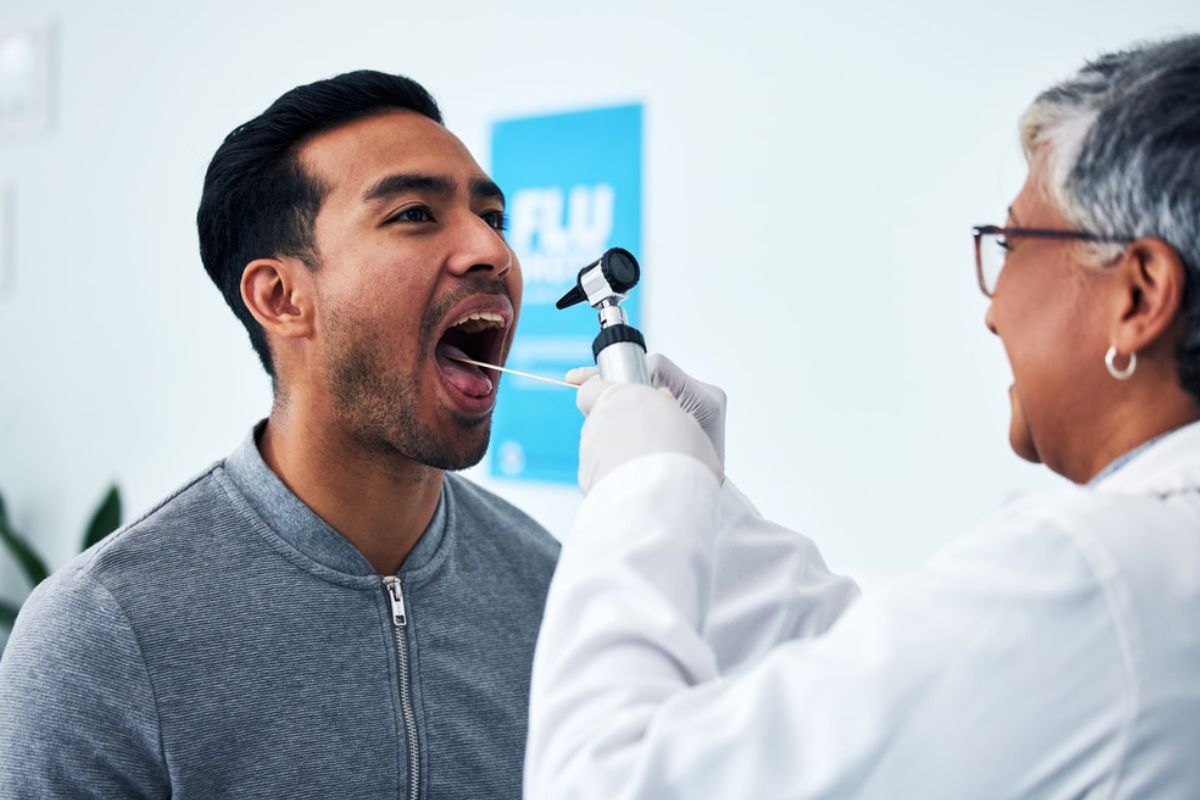
During a routine visit, your dentist will do more than check for cavities or gum issues. They conduct a visual and physical examination of the soft tissues in your mouth, looking for:
- Red or white patches on the gums, tongue, or inner cheeks
- Unusual sores that don’t heal after two weeks
- Thickened or rough areas in the mouth
- Lumps or swelling in the neck or jaw
- Changes in bite or difficulty swallowing
Your Dentist in Fort Walton Beach may also gently feel along your jawline, throat, and neck to detect any abnormal growths or swelling that could indicate a problem.
Tools and Technology Used for Screening
In addition to the visual and physical exam, many modern dental offices use enhanced tools to assist in the detection process. While Bright Smiles Family & Cosmetic Dentistry focuses on detailed, hands-on evaluations, some clinics may use:
- Velscope: A light-based device that highlights abnormal tissues
- Toluidine Blue Dye: A dye that adheres to suspicious areas in the mouth
- Brush Biopsy Kits: Non-invasive tools that collect cell samples for lab testing
While not every visit will involve these tools, your Fort Walton Beach dentist will determine what’s appropriate based on your risk factors and oral history.
Risk Factors That Make Screenings Even More Important
Some individuals face a higher risk of developing oral cancer. Regular screenings are especially critical if you:
- Smoke or use other tobacco products
- Consume alcohol heavily
- Are over age 40
- Have a history of HPV (human papillomavirus)
- Have had significant sun exposure (which can lead to lip cancer)
Even without these risk factors, everyone can benefit from a quick, painless screening during their regular dental visit.
What Happens If Something Suspicious Is Found?
If your dentist notices something unusual, they may recommend a follow-up exam or refer you to an oral surgeon or specialist for further testing. A biopsy may be necessary to determine whether the abnormal tissue is cancerous.
The goal isn’t to alarm—it’s to ensure any issue is handled early and properly. Most suspicious findings are harmless, but it’s always best to take a cautious approach.
How Often Should You Be Screened?
For most patients, an oral cancer screening is included during their twice-yearly checkups. However, if you’re at higher risk, your dentist might recommend more frequent evaluations. Either way, staying consistent with your dental appointments ensures nothing gets overlooked.
Conclusion
Oral cancer doesn’t always show clear symptoms in its early stages. That’s why regular dental visits are so important. Your Fort Walton Beach dentist is uniquely positioned to spot the early warning signs that you may not notice on your own.
By including screenings as part of your dental care routine, you’re taking a proactive step toward protecting not just your smile, but your health. Book your appointment today!