FACIAL AESTHETIC COSMETIC APPOINTMENTS NOW AVAILABLE!
Wisdom Tooth Removal: Aftercare Tips & Tricks
October 14, 2024
/
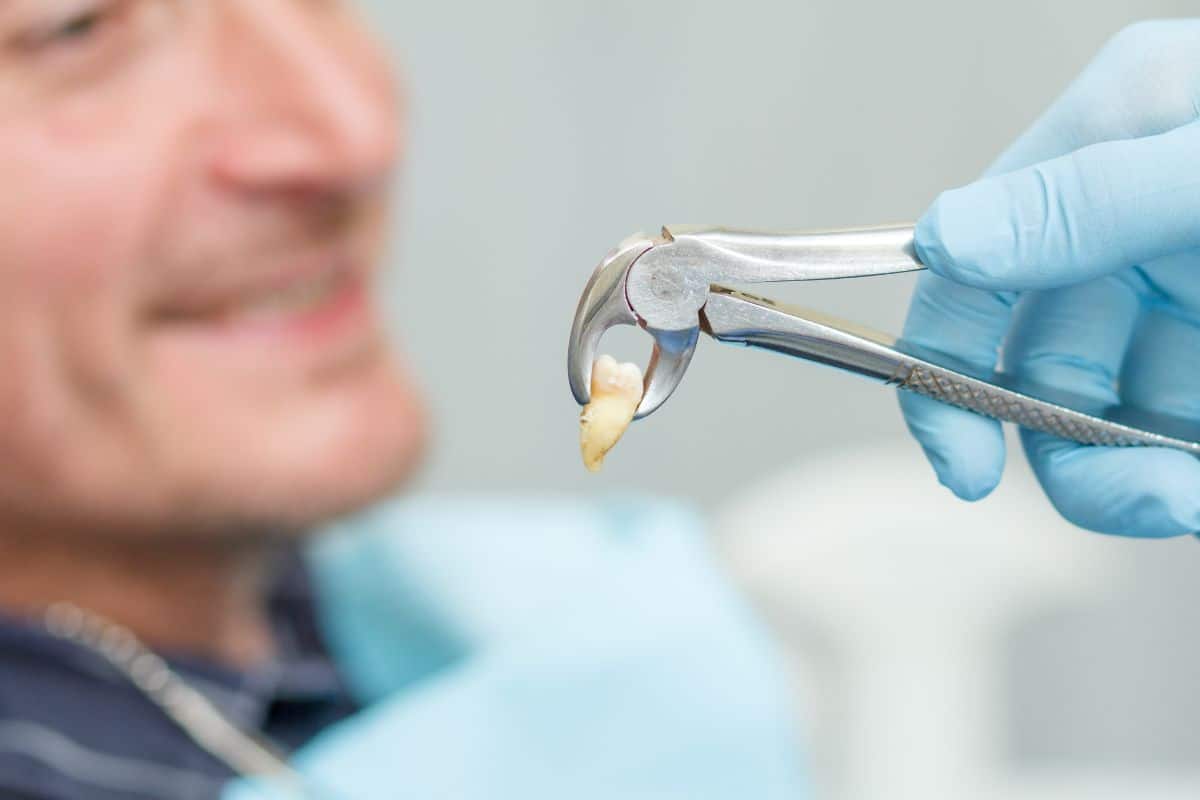
Having your wisdom teeth removed can be a significant event in your dental journey. While the procedure itself is quite common, the recovery process is just as crucial. Proper aftercare is essential to ensure a smooth recovery, minimize discomfort, and prevent complications. This blog will provide you with helpful tips and tricks to aid your healing after wisdom tooth removal.
Understanding Wisdom Tooth Removal
Wisdom teeth are the last set of molars that typically emerge in late adolescence or early adulthood. For many, these teeth can cause issues such as crowding, infection, or pain. When these problems arise, removal becomes necessary. The procedure is usually straightforward and performed by an oral surgeon or dentist.
What to Expect After the Procedure
After your wisdom teeth are removed, you may experience some swelling, discomfort, and bleeding. These symptoms are normal and usually improve within a few days. However, knowing how to care for yourself during this time can make a significant difference in your recovery.
Initial Recovery Steps
1. Rest and Relaxation
After the procedure, take it easy for at least the first 24 hours. Resting allows your body to heal and reduces the risk of complications. Avoid strenuous activities, such as exercising or heavy lifting, for a few days. Listening to your body is crucial; if you feel tired, give yourself permission to rest.
2. Follow Your Dentist’s Instructions
Your dentist or oral surgeon will provide specific aftercare instructions tailored to your situation. Follow these guidelines closely, as they are designed to promote healing and reduce complications. If you have any questions or concerns about the instructions, don’t hesitate to ask your healthcare provider.
3. Manage Bleeding
It’s common to experience some bleeding after your wisdom teeth are removed. Bite down gently on a gauze pad placed over the extraction site for about 30 to 45 minutes to help stop the bleeding. If bleeding continues after this time, replace the gauze with a fresh piece and bite down again. Avoid spitting or using a straw, as these actions can dislodge the blood clot and prolong bleeding.
Pain Management
1. Use Ice Packs
Applying ice packs to your cheeks can help reduce swelling and numb the pain. Use an ice pack for 15 to 20 minutes at a time during the first 24 hours after surgery. Remember to wrap the ice pack in a cloth to avoid frostbite on your skin.
2. Take Prescribed Medications
Your dentist may prescribe pain relievers to help manage discomfort. Follow the dosage instructions carefully. Over-the-counter pain medications, such as ibuprofen or acetaminophen, can also be effective. Always consult with your dentist before taking any medication, especially if you have pre-existing health conditions or are taking other medications.
3. Stay Hydrated
While it’s important to avoid using straws, staying hydrated is crucial for recovery. Drink plenty of water to help flush out your system and keep your body functioning optimally. Avoid hot beverages, alcohol, and carbonated drinks for the first few days, as they can irritate the extraction sites.
Diet After Wisdom Tooth Removal
1. Soft Foods Are Key
During the initial recovery period, stick to soft foods that don’t require much chewing. Foods like yogurt, applesauce, mashed potatoes, smoothies, and soups are excellent choices. Gradually introduce solid foods back into your diet as you start to feel more comfortable.
2. Avoid Certain Foods
Steer clear of hard, crunchy, or sticky foods for at least a week after surgery. Foods like chips, nuts, and candy can irritate the extraction site or get stuck in the sockets, leading to infection or prolonged healing.
Oral Hygiene After Surgery
1. Gentle Brushing
Maintaining good oral hygiene is essential, even after wisdom tooth removal. However, be gentle when brushing your teeth for the first few days. Avoid brushing the extraction sites directly to prevent irritation. Instead, focus on brushing the rest of your mouth.
2. Rinse with Salt Water
After 24 hours, you can start rinsing your mouth with a warm saltwater solution. Mix about a teaspoon of salt in a glass of warm water and gently swish it around your mouth. This can help keep the area clean and promote healing. Avoid vigorous rinsing, as it can dislodge the blood clot.
3. Avoid Mouthwash with Alcohol
If you typically use mouthwash, choose an alcohol-free variety after your surgery. Alcohol can irritate the extraction sites and delay healing.
Recognizing Complications
While most people recover from wisdom tooth removal without issues, it’s important to be aware of potential complications. Here are a few signs to watch for:
1. Severe Pain or Swelling
If you experience severe pain that doesn’t improve with medication, or if your swelling worsens after the first few days, contact your dentist. These could be signs of infection or dry socket, a painful condition that can occur when the blood clot dislodges.
2. Fever
A mild fever may be normal after surgery, but a high fever could indicate an infection. If your temperature exceeds 101°F (38.3°C), reach out to your dentist for advice.
3. Persistent Bleeding
Some bleeding is expected, but if you experience heavy bleeding that doesn’t improve after applying pressure with gauze, seek help immediately.
When to Contact Your Dentist
If you have concerns or experience symptoms that worry you, don’t hesitate to contact your dentist. It’s better to err on the side of caution when it comes to your health. If you’re looking for immediate care, finding an emergency dentist in Fort Walton Beach can provide you with the support you need.
Conclusion
Recovering from wisdom tooth removal doesn’t have to be a daunting experience. By following these aftercare tips and tricks, you can ensure a smoother healing process. Remember to rest, manage pain effectively, maintain good oral hygiene, and keep an eye out for any unusual symptoms. With proper care, you’ll be back to your normal routine in no time, enjoying a healthier and more comfortable smile.