FACIAL AESTHETIC COSMETIC APPOINTMENTS NOW AVAILABLE!

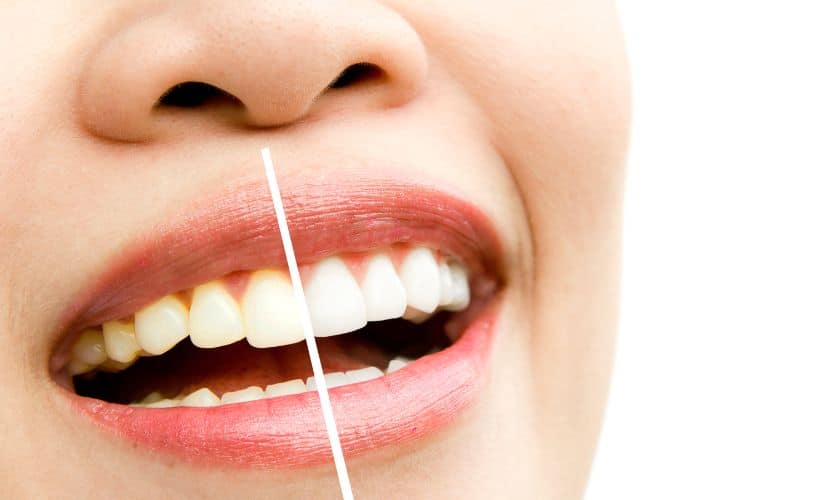
Teeth Whitening-The Basics And How To Make It Work
June 20, 2023
/
Bright, white teeth are often associated with a healthy and attractive smile. It’s no wonder that many people strive to achieve a pearly white grin. If you find yourself longing for whiter teeth, you’re not alone! Teeth whitening has become increasingly popular in recent years, offering individuals the opportunity to brighten their smiles and boost their confidence. But what exactly is teeth whitening? In this blog post, we’ll delve into the basics of teeth whitening, explore the different types available, weigh the pros and cons, and discover how to make it work effectively for dazzling results. So sit back, relax (and don’t forget to brush!), as we embark on this journey towards a brighter smile!
What Is Teeth Whitening?
What is teeth whitening, you ask? Well, it’s a cosmetic dental procedure aimed at lightening the color of your teeth and removing stains or discoloration. Over time, our pearly whites can lose their natural brightness due to various factors such as aging, consumption of staining substances like coffee or tobacco, or poor oral hygiene habits.
Teeth whitening works by using bleaching agents that penetrate the tooth enamel and break down the molecules responsible for discoloration. This process helps reveal a brighter shade of white underneath.
There are several methods available for teeth whitening. The most common ones include professional in-office treatments performed by dentists, take-home kits provided by dental professionals with custom-made trays and bleaching gels, over-the-counter whitening products like strips or gels found in drugstores, and even natural remedies using ingredients like baking soda or hydrogen peroxide.
It’s worth noting that not all types of tooth discoloration can be effectively treated with teeth whitening alone. In some cases where the discoloration is caused by internal factors such as medication use or certain medical conditions, alternative dental procedures may be required.
Before embarking on any teeth whitening journey, it’s crucial to consult with a dental professional who can evaluate your specific case and recommend the best approach for you. Keep in mind that results may vary depending on individual circumstances such as existing tooth color and condition.
So there you have it – an introduction to what teeth whitening entails! Now let’s dive deeper into its different types and explore their pros and cons to help you make an informed decision about achieving a brighter smile.
The Different Types Of Teeth Whitening
When it comes to teeth whitening, there are a variety of options available. Each method has its own unique benefits and considerations. Here are some of the different types of teeth whitening treatments you can explore:
1. Professional Teeth Whitening: This is typically done at a dental office using high-concentration bleaching gels and special tools like lasers or lights to enhance the effects. It offers fast and long-lasting results, but may be more expensive compared to other methods.
2. At-Home Whitening Kits: These kits usually contain custom-fitted trays filled with lower-concentration bleaching agents that you can use at home. They provide convenience and affordability, but may take longer to achieve desired results.
3. Whitening Toothpaste: Designed for daily use, these toothpastes contain mild abrasives or polishing agents that help remove surface stains over time. While they’re easy to incorporate into your oral care routine, they may not deliver dramatic whitening effects.
4. Natural Remedies: Some people opt for natural remedies like baking soda paste or activated charcoal powder as an alternative to commercial products. However, their effectiveness varies from person to person and may not produce significant results.
5. In-Office Power Bleaching: This procedure involves applying a strong bleaching agent directly onto the teeth in combination with heat or light sources for accelerated results.
It’s important to consult with your dentist before starting any teeth whitening treatment as they will assess your oral health condition and recommend the best option for you based on factors such as sensitivity levels, expected outcomes, and budget constraints.
Pros And Cons Of Teeth Whitening
Teeth whitening has become a popular trend in the pursuit of a brighter smile. While it can provide many benefits, there are also some drawbacks to consider before jumping on the bandwagon.
One of the main advantages of teeth whitening is the immediate improvement it offers to your appearance. A whiter smile can boost your self-confidence and make you feel more attractive. It can also help remove stains caused by coffee, tea, or smoking, giving you a fresher look.
Another pro is that teeth whitening procedures are relatively quick and easy. In-office treatments can be completed in just one session, while at-home kits usually require only a few weeks for noticeable results. This convenience makes it an appealing option for those seeking fast and effective solutions.
However, it’s important to note that teeth whitening isn’t without its downsides. The most common complaint is tooth sensitivity following treatment. This sensitivity may range from mild discomfort to sharp pain when consuming hot or cold foods and beverages.
Additionally, excessive or improper use of teeth-whitening products can damage tooth enamel over time. Enamel erosion can lead to increased tooth sensitivity and even dental problems such as cavities or gum irritation.
Moreover, not everyone achieves the desired level of whiteness with teeth whitening treatments due to factors like genetics or existing dental issues like deep stains or discoloration caused by medication use.
To minimize these potential drawbacks and maximize the benefits of teeth whitening, it’s crucial to consult with a dentist first who will assess your oral health condition and recommend appropriate options based on your specific needs.
Remember that maintaining good oral hygiene practices such as regular brushing with fluoride toothpaste and flossing is essential for prolonging the effects of any teeth-whiteni
How To Make Teeth Whitening Work?
Achieving a brighter smile through teeth whitening is a goal for many individuals. But how can you ensure that your teeth whitening efforts actually work? Here are some tips to help make the process more effective and successful.
It’s important to maintain good oral hygiene habits before and after teeth whitening. This includes brushing at least twice a day with a fluoride toothpaste and flossing daily. By keeping your teeth clean, you’ll create an optimal environment for the whitening products to work their magic.
Be consistent with your chosen method of teeth whitening. Whether you opt for professional treatments or at-home kits, following the recommended usage instructions is crucial. Consistency in application will yield better results over time.
Additionally, pay attention to your lifestyle choices that may contribute to tooth discoloration. Avoid or limit consumption of staining substances such as coffee, tea, red wine, and tobacco products. Opting for healthier alternatives like water or herbal teas can help preserve your newly brightened smile.
Another key factor in making teeth whitening work is patience. Results may not be immediate; it takes time for the whitening agents to penetrate the enamel and remove stains effectively. Stick with the treatment plan recommended by your dentist or follow the instructions provided with home kits.
Consider touch-up treatments periodically to maintain your white smile long-term. Depending on factors like diet and oral care routine, touch-ups every six months or once a year may be necessary.
By taking these steps into consideration and being patient throughout the process, you can maximize the effectiveness of any teeth whitening method you choose!
Teeth Whitening Recipes
Looking for natural and cost-effective ways to whiten your teeth? Look no further! There are several homemade teeth whitening recipes that you can try out in the comfort of your own home. These recipes use common ingredients that you probably already have in your kitchen pantry.
One popular recipe involves combining baking soda with hydrogen peroxide to create a paste. Simply mix a small amount of baking soda with hydrogen peroxide until it forms a thick consistency. Then, brush this paste onto your teeth and let it sit for a few minutes before rinsing thoroughly. This mixture helps remove surface stains on the enamel of your teeth.
Another effective recipe uses lemon juice and salt as natural bleaching agents. Mix together equal parts lemon juice and salt to form a gritty paste. Gently rub this mixture onto your teeth using circular motions for about one minute, then rinse well. The acid in the lemon juice combined with the abrasive texture of the salt helps remove stains from the tooth surface.
If you’re looking for an alternative method, try using activated charcoal powder mixed with water or coconut oil. Activated charcoal has absorbent properties that can effectively pull out toxins and stains from your teeth. Apply this mixture to your toothbrush and gently brush for about two minutes, then rinse thoroughly.
Remember, while these homemade recipes can be effective in brightening your smile, they should not replace regular dental care or professional treatments. It’s always best to consult with a dentist before trying any new whitening methods at home.
Incorporating these simple DIY recipes into your oral hygiene routine can help maintain a brighter smile over time without breaking the bank! Give them a try and see which one works best for you.
The Bottom Line
Teeth whitening can be a great way to enhance your smile and boost your confidence. With various options available, you can find the right method that suits your needs and preferences. However, it’s important to understand the pros and cons before embarking on any teeth whitening journey.
Remember that while teeth whitening treatments can effectively remove stains and discoloration, they are not permanent solutions. Regular maintenance is essential to keep your smile bright and white. Additionally, it’s crucial to consult with a dentist before starting any whitening regimen to ensure it is safe for you.
To make teeth whitening work effectively, follow these tips: maintain good oral hygiene practices such as brushing twice daily, flossing regularly, and visiting your dentist for professional cleanings; avoid foods and beverages that stain teeth; quit smoking if you’re a smoker; use over-the-counter products or seek professional dental treatments based on your specific needs.
If you prefer natural remedies, there are several DIY teeth whitening recipes using ingredients like baking soda or hydrogen peroxide. However, always remember to use caution when using these homemade methods as they may cause sensitivity or damage enamel if used incorrectly or excessively.
In conclusion (without using those words), achieving a brighter smile through teeth whitening is possible but requires proper understanding of the different types of treatment available as well as their pros and cons. By following recommended guidelines from professionals and maintaining good oral hygiene habits along with regular dental visits, you will be well on your way towards a radiant smile that boosts both your self-esteem and overall oral health.