FACIAL AESTHETIC COSMETIC APPOINTMENTS NOW AVAILABLE!
Teeth Whitening: How They Work And What To Do
March 3, 2023
/
A bright, white smile is not only pleasing to the eye but also adds a boost of confidence to your overall appearance. Teeth whitening has become increasingly popular over the years, with many people seeking different ways to achieve that radiant smile. But what exactly are teeth whitening treatments and how do they work? In this blog post, we will explore the science behind teeth whitening and provide you with some tips on how to maintain those pearly whites!
Your teeth are one of the first things people notice about you. A bright, white smile is associated with good health, success, and happiness. But over time, your teeth can become stained and yellowed from the food and drink you consume. Teeth whitening is a popular cosmetic dental procedure that can help your teeth look their best.
There are a number of different teeth whitening products and procedures available today. Some whiten your teeth by bleaching them with hydrogen peroxide or carbamide peroxide. These products are available in gels, strips, toothpastes, and rinses. You can also get your teeth professionally whitened by a dentist.
Teeth whitening is safe for most people. However, there are some risks involved. Be sure to talk to your dentist about the best way to Whiten your teeth safely.
How Does Teeth Whitening Work?
When it comes to teeth whitening, there are a few different ways that you can go about it. You can either use at-home kits or professional treatments, or a combination of both. But how does teeth whitening actually work?
At-home teeth whitening kits typically use bleaching agents, like hydrogen peroxide, to remove stains and discoloration from your teeth. These products usually come in the form of gels, strips, or toothpaste, and you can find them at most drugstores.
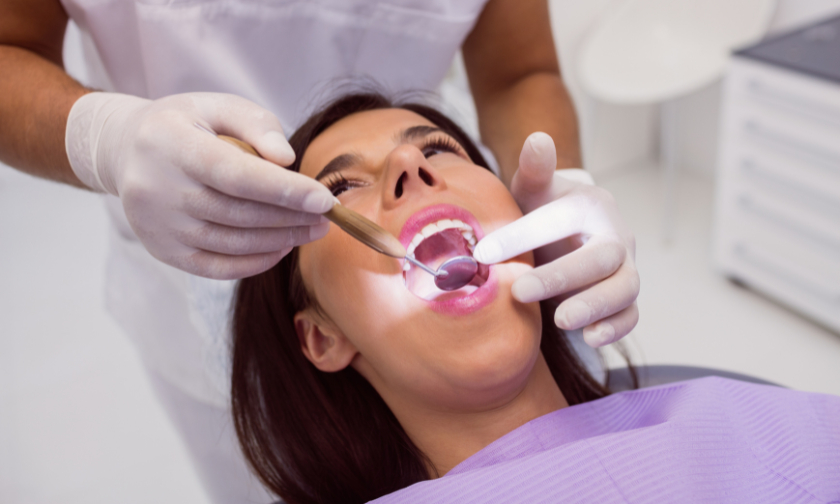
Professional teeth whitening treatments use stronger bleaching agents than at-home kits. They also usually involve some type of light source, like a laser, to help activate the bleaching agent and speed up the process.
No matter which method you choose, the goal is to get rid of the stained or discolored outer layer of your teeth so that the brighter, whiter inner layer shines through.
Types of Teeth Whitening Procedures
There are a few different types of teeth whitening procedures you can get done at the dentist, and each has its own set of benefits and drawbacks. Here’s a quick overview of the most popular options:
1. Laser Teeth Whitening: This is one of the more expensive options, but it’s also one of the most effective. The procedure involves using a powerful laser to break down stains on your teeth, and it can usually be done in just one visit to the dentist.
2. Professional Teeth Whitening: This option is similar to laser teeth whitening, but it uses a weaker bleaching agent and takes longer to produce results. It’s typically done in multiple sessions at the dentist office, and it can be quite expensive.
3. At-Home Teeth Whitening Kits: These kits use lower-strength bleaching agents than professional treatments, so they take longer to work. They’re much cheaper than getting professional treatment, though, and you can do them in the comfort of your own home.
4. Over-the-Counter Teeth Whiteners: These products are typically very low-strength and don’t produce dramatic results. They’re the cheapest way to whiten your teeth, though, so they’re worth considering if you’re on a budget.
Tips for Maintaining Whiter Teeth
There are a few things you can do to help keep your teeth looking their whitest. First, avoid foods and drinks that can stain your teeth. These include coffee, tea, red wine, and dark-colored fruits and vegetables. You should also avoid smoking, which can discolor your teeth.
In addition to avoiding staining agents, you should also brush and floss regularly to remove plaque and bacteria from your teeth. Be sure to use a toothpaste that contains fluoride to help prevent cavities. You should also visit your dentist regularly for professional cleanings.
Home Remedies for a Brighter Smile
When it comes to teeth whitening, there are a lot of different products and procedures available on the market. But not all of them are created equal. So, how do you know which one is right for you?
There are two main types of teeth whitening: professional and at-home. Professional teeth whitening is done by a dentist or other trained professional, and usually requires multiple visits. At-home teeth whitening is done with over-the-counter products, and can be done in the comfort of your own home.
Both professional and at-home teeth whitening have their pros and cons. Professional teeth whitening is more expensive, but usually produces better results. At-home teeth whitening is less expensive, but takes longer to see results.
If you’re looking for an at-home teeth whitening solution that’s affordable and easy to use, consider one of these home remedies for a brighter smile:
1. Baking soda and hydrogen peroxide: Combine 1 teaspoon baking soda with 2 teaspoons hydrogen peroxide to form a paste. Apply the paste to your teeth with a toothbrush and leave it on for 1 minute before rinsing away. Repeat this process 2-3 times per week for best results.
2. Strawberry and baking soda: Mash up 1 strawberry into a paste and mix it with 1 teaspoon baking soda. Apply the paste to your teeth with a toothbrush and leave it on
Conclusion
We hope this article has answered your questions about teeth whitening and given you some useful tips on how to get the best results. There are a variety of methods for achieving whiter teeth, from professional treatments to at-home kits, so it’s important that you choose the one that is right for you. Remember to always follow any instructions carefully and consult with your dentist if you have any concerns or questions. With proper care and maintenance, white teeth can last a lifetime!
FAQs
Q: How does teeth whitening work?
A: Teeth whitening works by using a bleaching agent to remove the stains on your teeth. The bleaching agent is usually hydrogen peroxide or carbamide peroxide, which breaks down into hydrogen peroxide when it comes into contact with water. Hydrogen peroxide is a strong oxidizing agent that breaks down the molecules that cause stains on your teeth.
Q: What are the different types of teeth whitening products?
A: There are two main types of teeth whitening products: those that you use at home and those that you have done professionally at a dentist’s office. Home teeth whitening kits usually come with a bleaching gel or strips that you apply to your teeth for a certain period of time. Professional teeth whitening, on the other hand, uses stronger bleaching agents and is done in-office by a dentist.
Q: Are there any side effects to teeth whitening?
A: The most common side effect of teeth whitening is tooth sensitivity, which occurs when the bleaching agents come into contact with your tooth enamel and irritate your gums. Other potential side effects include gum irritation, mouth soreness, and temporary changes in the color of your tooth enamel.