FACIAL AESTHETIC COSMETIC APPOINTMENTS NOW AVAILABLE!
Can You Replace an Old or Failed Dental Implant?
November 3, 2026
/
If your dental implant feels loose, painful, or just “off,” you may be worried it’s the end of the road. In many cases, it isn’t. A failed or aging implant can often be removed and replaced, though the right approach depends on why it failed and what your jaw looks like now.
Our team at Bright Smiles Family & Cosmetic Dentistry sees patients who are frustrated, anxious, or unsure where to turn after an implant problem. Here’s what to know about replacing an old or failed implant, what the process involves, and how to decide on your next step.
Are Dental Implants Meant to Last Forever?
Implants are designed to be a long-term tooth replacement, and many last for many years with good care. But “permanent” doesn’t mean “maintenance-free.”
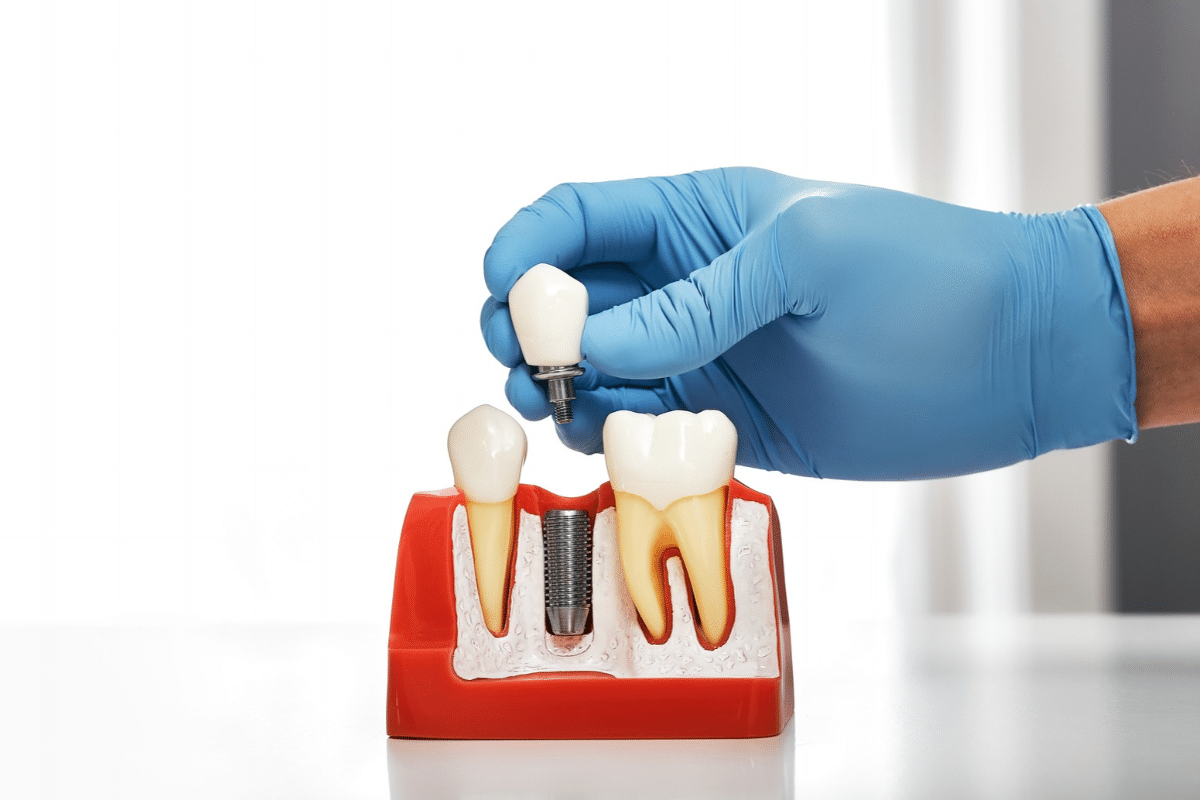
The titanium post that sits in your jawbone is durable. The parts around it can wear down or need attention over time:
- The crown (the visible tooth) can chip, crack, or wear
- The abutment (the connector piece) can loosen
- The gums and bone supporting the implant can be affected by infection or other health changes
So an “old” implant isn’t automatically a failing one. Sometimes only the crown or a small component needs replacing, and the implant itself is fine.
Signs Your Dental Implant May Be Failing
Early attention often leads to better outcomes. Contact a dentist promptly if you notice:
- Looseness or movement in the implant or crown
- Persistent pain, tenderness, or pressure when biting
- Swollen, red, or bleeding gums around the implant
- Pus or a bad taste near the site
- Gum recession that exposes part of the implant
- A bite that suddenly feels different
Not every symptom means failure. A loose crown, for example, is often a simple fix. Only an exam and X-rays can tell you what’s actually happening.
Why Do Dental Implants Fail?
Understanding the cause matters because it determines whether a replacement is likely to succeed.
Early Failure (Within Months)
Early failure usually means the implant didn’t integrate with the bone as expected. Possible factors include:
- Insufficient bone density or volume
- Infection during healing
- Excess pressure on the implant too soon
- Certain health conditions or medications that slow healing
Late Failure (Years Later)
Implants that worked well for years can still run into trouble. Common causes include:
- Peri-implantitis, a gum and bone infection around the implant, often linked to plaque buildup
- Smoking or tobacco use
- Poorly controlled diabetes
- Teeth grinding (bruxism) that overloads the implant
- Missed checkups and inconsistent home care
- Gradual bone loss over time
Identifying the cause is the most important step. If it isn’t addressed, a new implant could face the same problem.
What to Do If You Think Your Implant Is Failing
- Don’t ignore it. Infection and bone loss can progress quietly.
- Don’t try to tighten or remove it yourself.
- Keep the area clean with gentle brushing and any rinses your dentist recommends.
- Avoid chewing hard foods on that side.
- Schedule an evaluation as soon as you can.
If you have swelling, fever, or severe pain, seek care right away.
Can a Failed Dental Implant Be Replaced?
Often, yes. Many patients can receive a new implant after a failed one, but it isn’t automatic. Your dentist will usually evaluate:
- The cause of the original failure
- The health of your gums and remaining teeth
- The amount and quality of bone at the site
- Your overall health, medications, and habits like smoking
- Your bite and any grinding
If the problem is manageable, replacement may be a good option. If not, there are alternatives, covered below.
What the Replacement Process Typically Involves
Every case is different, and your plan will be customized. In general, the process may include the following.
1. Evaluation and Imaging
We start with a thorough exam and 3D or digital imaging as needed to understand bone levels, infection, and the position of the existing implant.
2. Treating Infection and Removing the Failed Implant
If an implant can’t be saved, it’s carefully removed and the area is cleaned. Any infection is treated first.
3. Bone Grafting (If Needed)
When bone has been lost, a graft may help rebuild the site so it can support a new implant. Grafts require healing time, often several months.
4. Healing
The site needs time to recover before moving forward. Rushing this phase is one of the most common reasons for repeat problems.
5. Placing the New Implant
Once the area is healthy and stable, a new implant can be placed. In some situations, removal and replacement can happen in the same visit, but that depends on your specific case.
6. Final Restoration
After the implant integrates with the bone, a custom crown, bridge, or denture is attached. The full timeline can range from a few months to a year or more when grafting is involved.
What If a New Implant Isn’t the Right Choice?
Sometimes bone loss or health factors make another implant less predictable. Alternatives may include:
- Dental bridge: Anchored to neighboring teeth
- Partial or full denture: A removable option, sometimes supported by implants
- Bone regeneration first, then revisiting implants later
Your dentist should walk you through the pros, cons, and costs of each, without pressure.
Dental Implants in Fort Walton Beach: What Local Patients Should Know
Whether you’ve lived near Okaloosa Island for decades or you’re stationed at Eglin Air Force Base or Hurlburt Field, dental care continuity matters. Some patients receive an implant elsewhere, then move or travel, and later need follow-up care. If that’s you, bring any records you have, such as X-rays, the implant brand, or the treatment date. It helps us understand what you have and plan accordingly.
When you’re choosing a provider for dental implants in Fort Walton Beach, consider asking:
- Will you identify why my implant failed before recommending a replacement?
- What are my realistic options, including non-implant ones?
- What does the timeline look like, and what will it cost?
- What follow-up and maintenance do you recommend?
We provide a patient-first approach with clear explanations, so you understand your options before deciding anything.
How to Protect Your Implants Long Term
Whether you’re keeping an existing implant or getting a new one, these habits help:
- Brush twice a day and clean between teeth daily
- Keep up with professional cleanings and exams
- Avoid smoking and tobacco
- Manage health conditions like diabetes with your physician
- Ask about a nightguard if you grind your teeth
- Report changes early rather than waiting for pain
Frequently Asked Questions
How long do dental implants last?
Many implants last for many years, and some last decades, but results vary. The crown may need replacing sooner than the implant post. Your oral hygiene, health, and habits all play a role.
How do I know if my dental implant is failing?
Common signs include looseness, pain, swollen or bleeding gums, pus, and gum recession. A dental exam with X-rays is the only reliable way to know.
Is it painful to replace a failed implant?
Procedures are typically performed with local anesthesia, and sedation may be available depending on your needs. Soreness afterward is common, and your dentist can explain what to expect and how to manage it.
How much does it cost to replace a dental implant in Fort Walton Beach?
Cost varies widely depending on whether you need infection treatment, bone grafting, or just a new crown. We can review your situation and provide an estimate after an exam. Coverage for implants varies by plan, so check your benefits and ask our team for help.
Can I get a new implant in the same spot?
Often, yes, once the area has healed and we’ve addressed any bone or infection issues. Your dentist will assess whether the site is suitable.
Ready to Talk About Your Implant Options?
A failing implant can be stressful, but you don’t have to figure it out alone. At Bright Smiles Family & Cosmetic Dentistry, our team will take the time to evaluate your situation, explain what went wrong, and walk you through realistic next steps.
Call or visit Bright Smiles Family & Cosmetic Dentistry today to schedule a consultation for dental implants in Fort Walton Beach.
This article is for general information and isn’t a substitute for a professional exam or personalized medical advice.